What even is a long run? It’s an answer that changes over time.
For new runners, one mile might feel long. Training for my first race, the Azalea Trail Run 10K, three miles felt massive. Now, depending on the training block, a long run could be something as dumb as me running a 50K on the one-mile loop in my neighborhood.
The point is, long runs are relative. Your experience, race goals, and free time all play a role in what a long run actually looks like. There’s no right or wrong definition. Well… unless you do your long run on Saturday instead of Sunday.
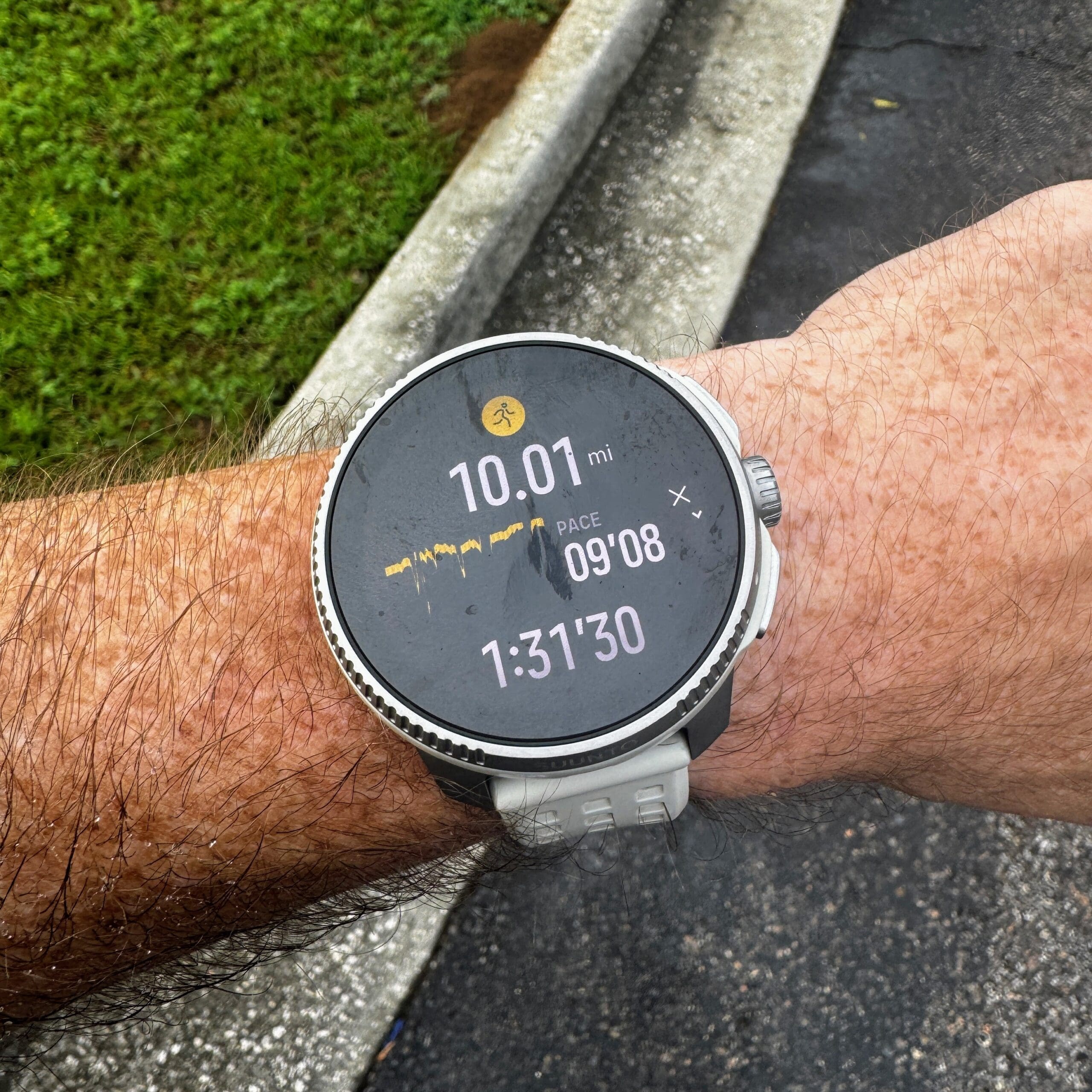
For me, the average long run is around ten miles. Most Sundays, that’s where I’m at. And while the distance may change, the mental and physical experience stays surprisingly consistent.
MILE 1 WAKING UP
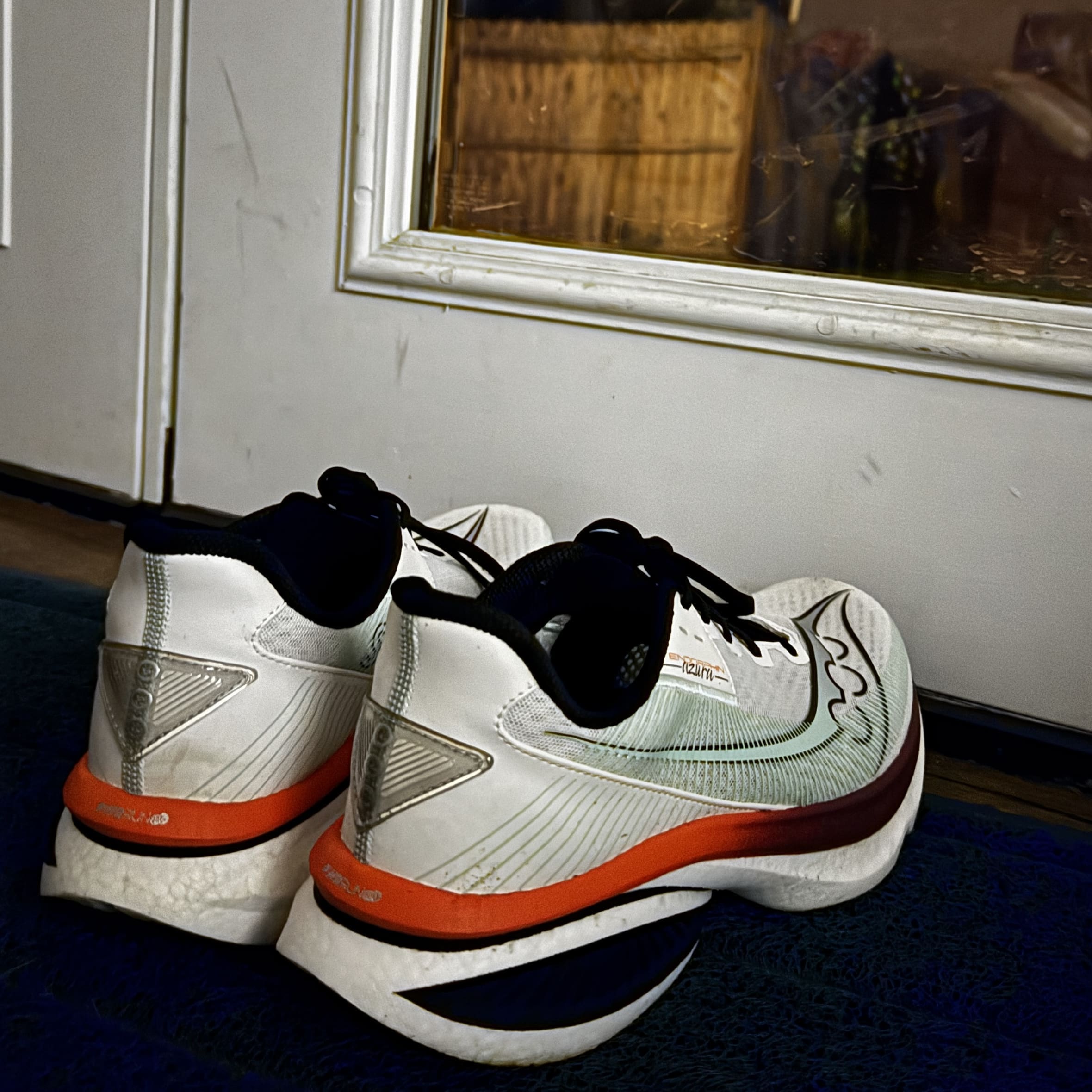
The long run usually starts the night before. Water bottles filled, fuel laid out on the counter, headlamp charging, shoes ready by the door. Everything is set up for maximum morning efficiency because nobody wants to make important decisions before a long run.
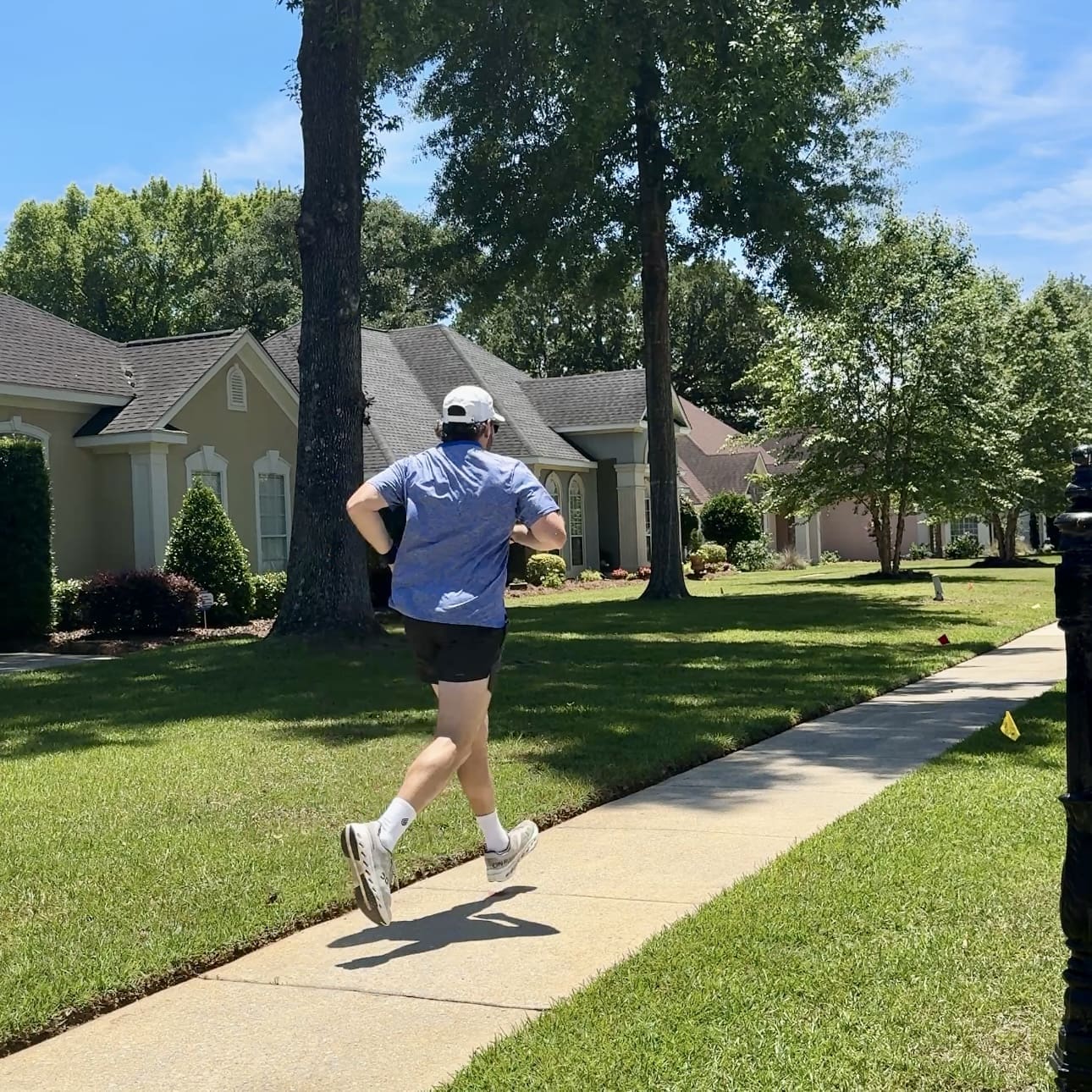
Once I get out the door, the first mile is almost always slow. Legs are waking up and the brain is still trying to figure out why we voluntarily signed up for nearly two hours of running before most people have had their first cup of coffee. It's just me and nature.
Nothing really feels smooth yet. The body is still negotiating with the mind while both slowly accept this is happening whether they want it to or not.


MILE 3 THIS SUCKS
By mile three, the long run usually starts revealing what kind of day it is going to be. Some runs feel smooth from the start, others feel like a grind the entire way, but most land between the two.
Around this point, the body is fully awake and finally realizing what it signed up for. You are not quite halfway, but far enough to know there is still a long way to go. This is also usually where stomach issues decide to show up at the worst possible time.
Mentally, mile three feels like the transition from “starting a run” to realizing you are actually in the middle of a long one now.
MILE 5 LOCKED IN
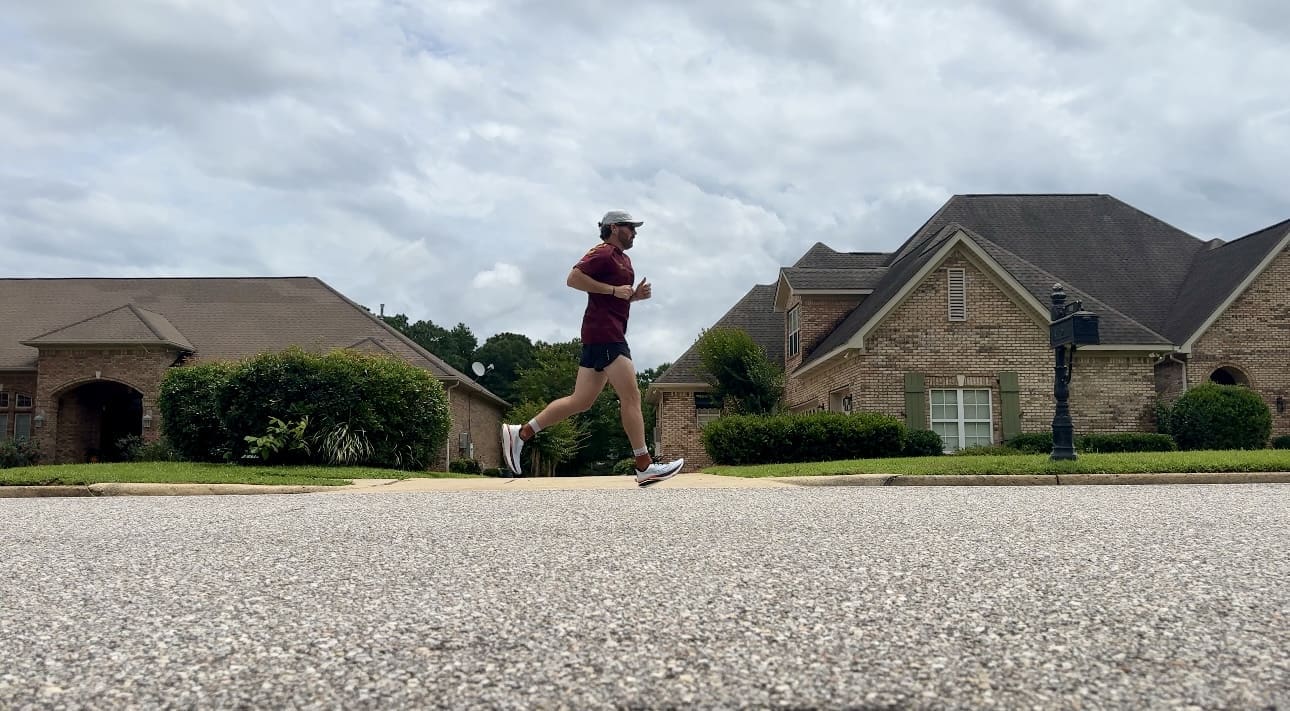
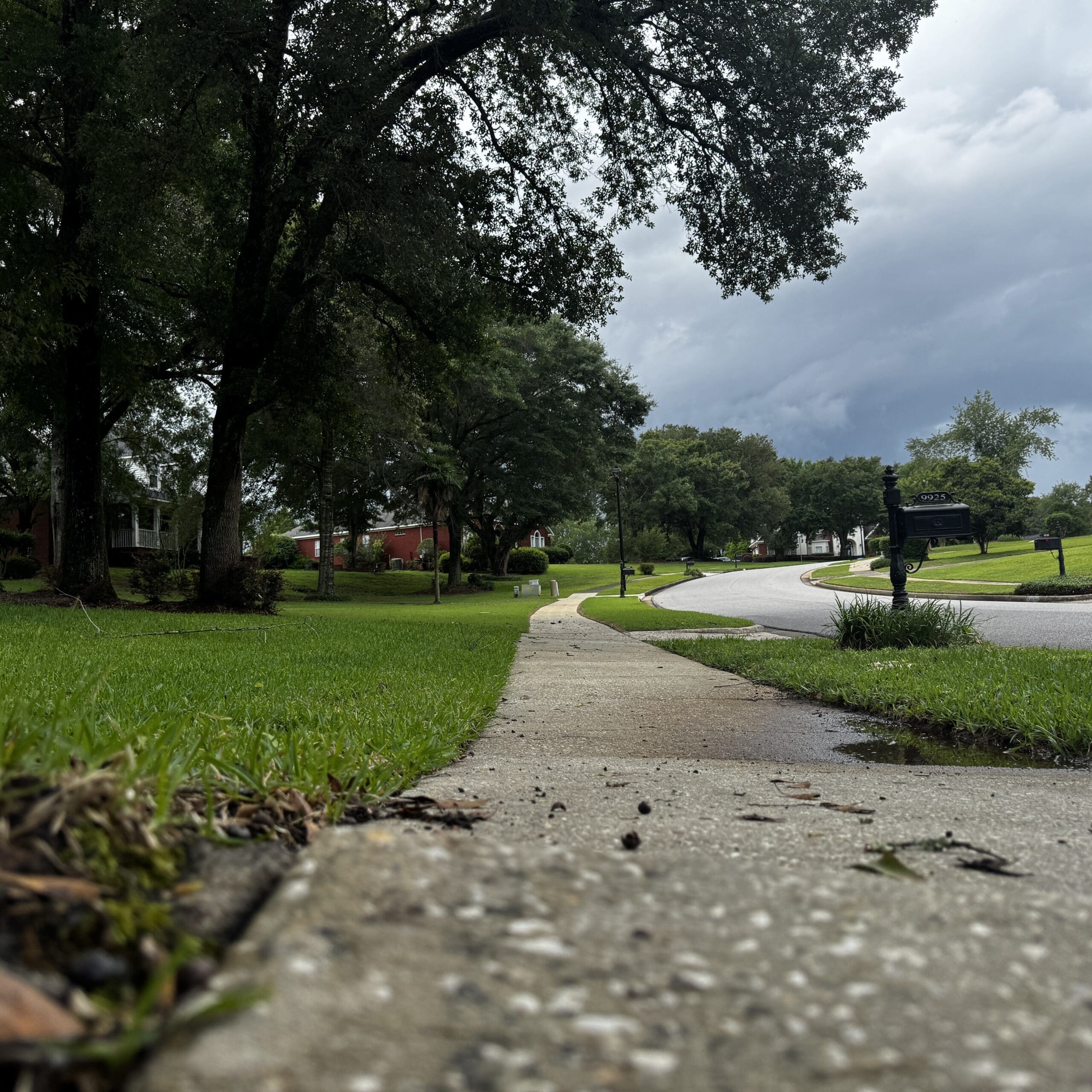
Fortunately, that early run panic starts fading after a while and things begin settling into place. The pace steadies and before long it finally feels like I am actually running instead of just surviving the opening miles.
Around this point, I am mentally and physically locked in. Halfway there and finally watching the miles start piling up instead of staring at how many are left. The body loosens up and for a little while the long run starts feeling simple.
This is usually the dangerous part too. The part where I start convincing myself I could easily run farther today.
MILE 7 I COULD DO THIS ALL DAY
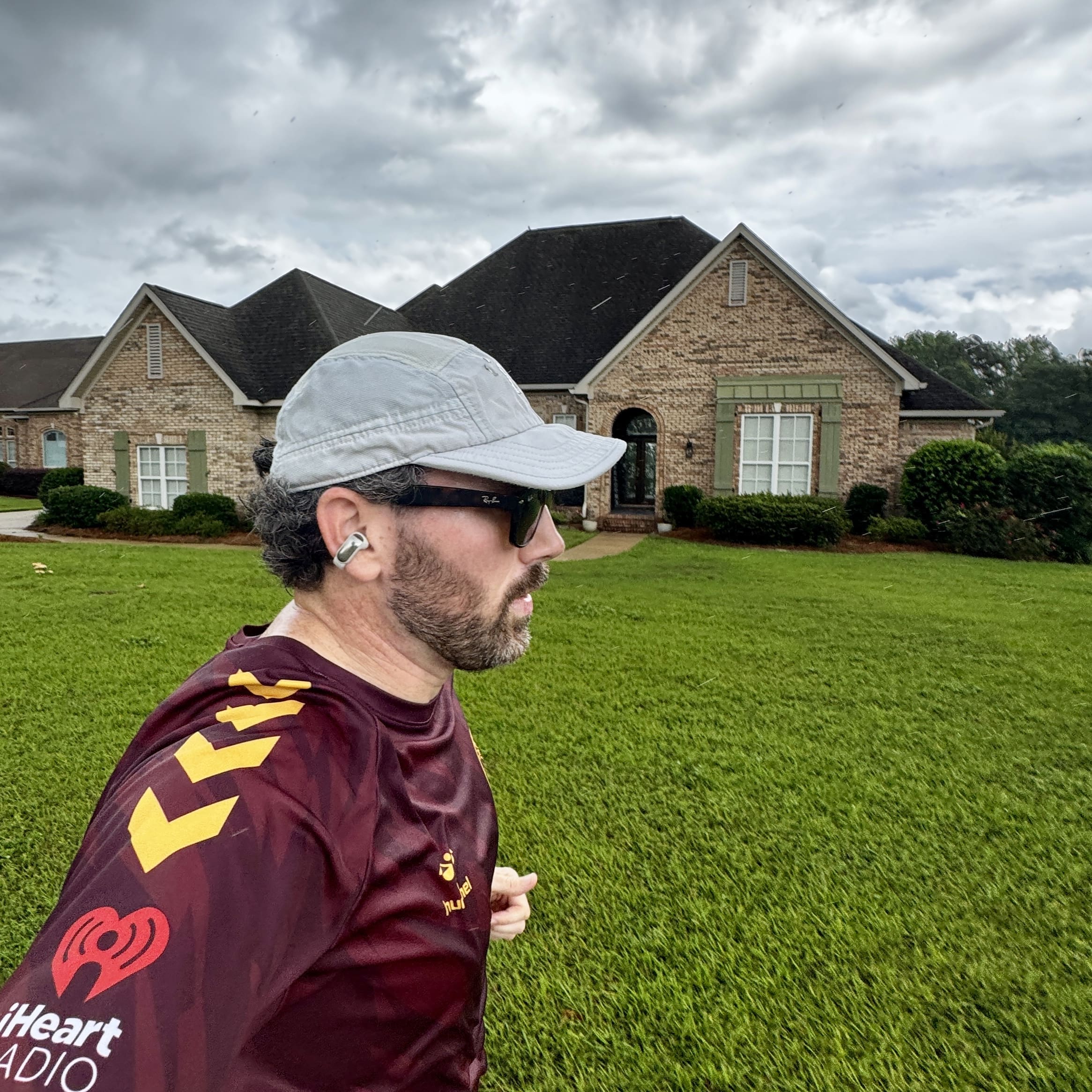
The endorphins usually start kicking in around mile seven and suddenly I feel borderline invincible. Could I actually do this all day? Absolutely not. But for a few final miles, it genuinely feels like I could.
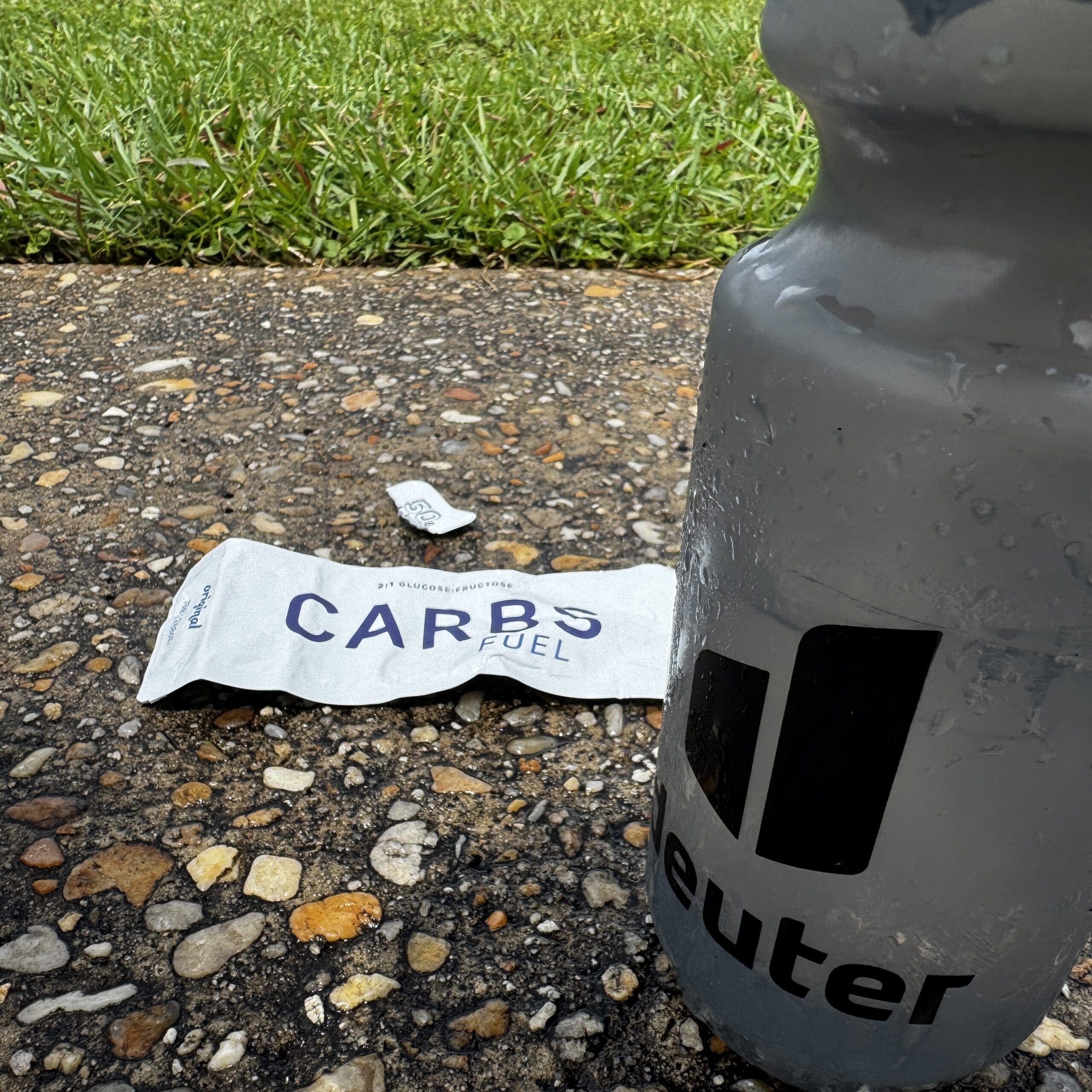
The second gel is doing its job and the finish starts feeling visible in the distance. This is where I remember why I love running so much. There is something hard to explain about the feeling of being completely locked in and realizing your body is capable of more than you probably gave it credit for when the run first started.
MILE 10 GLAD I WENT
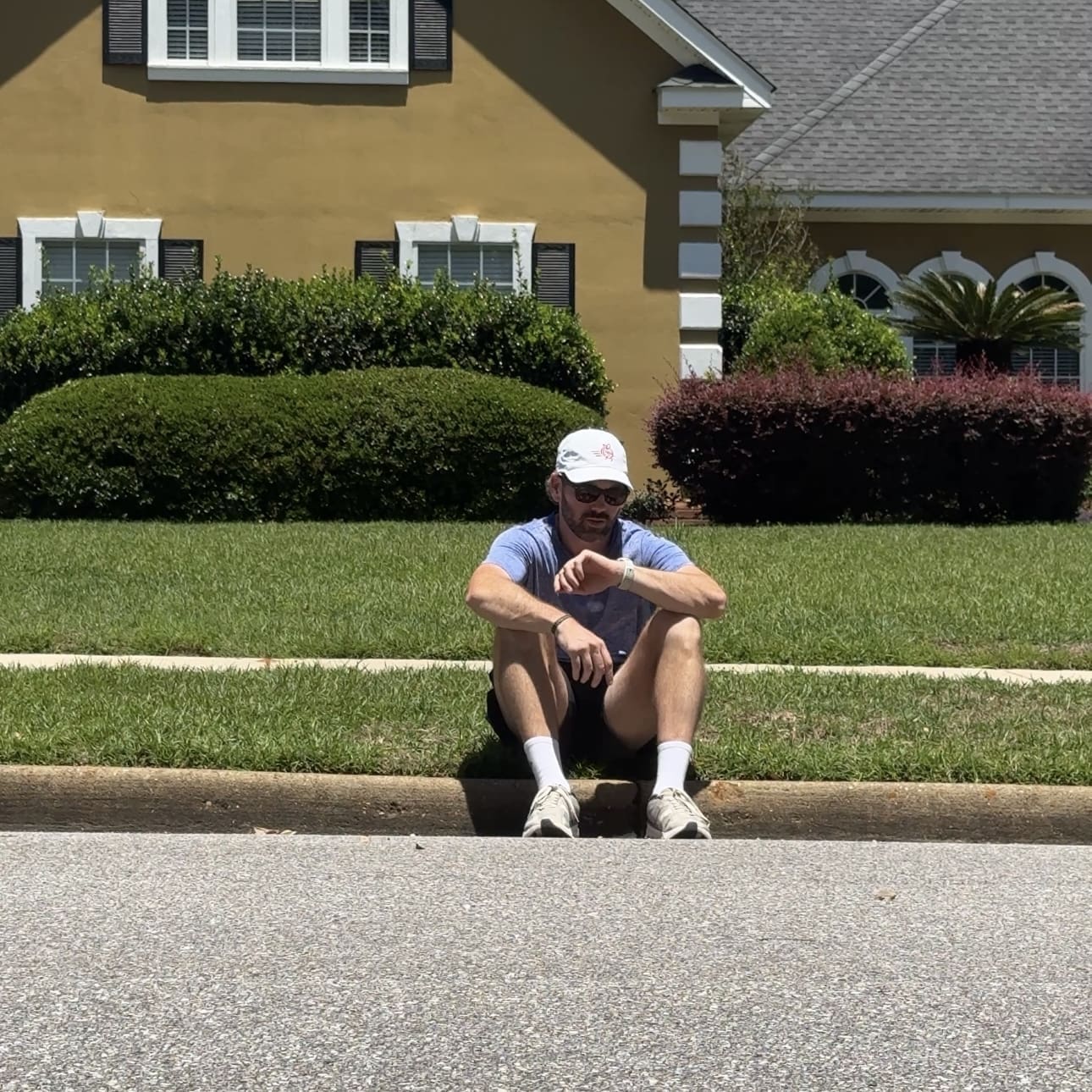
The long run is over and there is always a sense of clarity that comes with it. The legs are tired, but mentally I usually feel better than when I started. Somewhere over the last couple of hours, the stress and overthinking got replaced by the simple relief of being done.
There is also something satisfying about finishing a long run while the rest of the day is still sitting in front of you. Most people are just getting their morning started and you already spent the last two hours battling.
No matter how the run felt in the middle of it, I usually end up thinking the same thing by the end.
I’m glad I went.