
We have multiple TVs in our house, but somehow we all still fight over the largest one. Ellis will have his Switch 2 hooked up, playing a game, when I come in wanting to watch something. We know how that ends, right? For most gaming consoles, that would be the end of it. With the Switch, he just pulls it out of the dock, moves to the couch, and keeps playing. No tears needed. He can go from one setup to another without having to stop what he was doing. Running shoes are starting to work a little more like that too.
Road-to-trail shoes are becoming harder to ignore in 2026. In the past, you have seen a brand take one of its daily trainers, throw some lugs on the bottom, and call it all-terrain. Now we are seeing more shoes built with moving between surfaces in mind, with changes made to more than just the outsole.
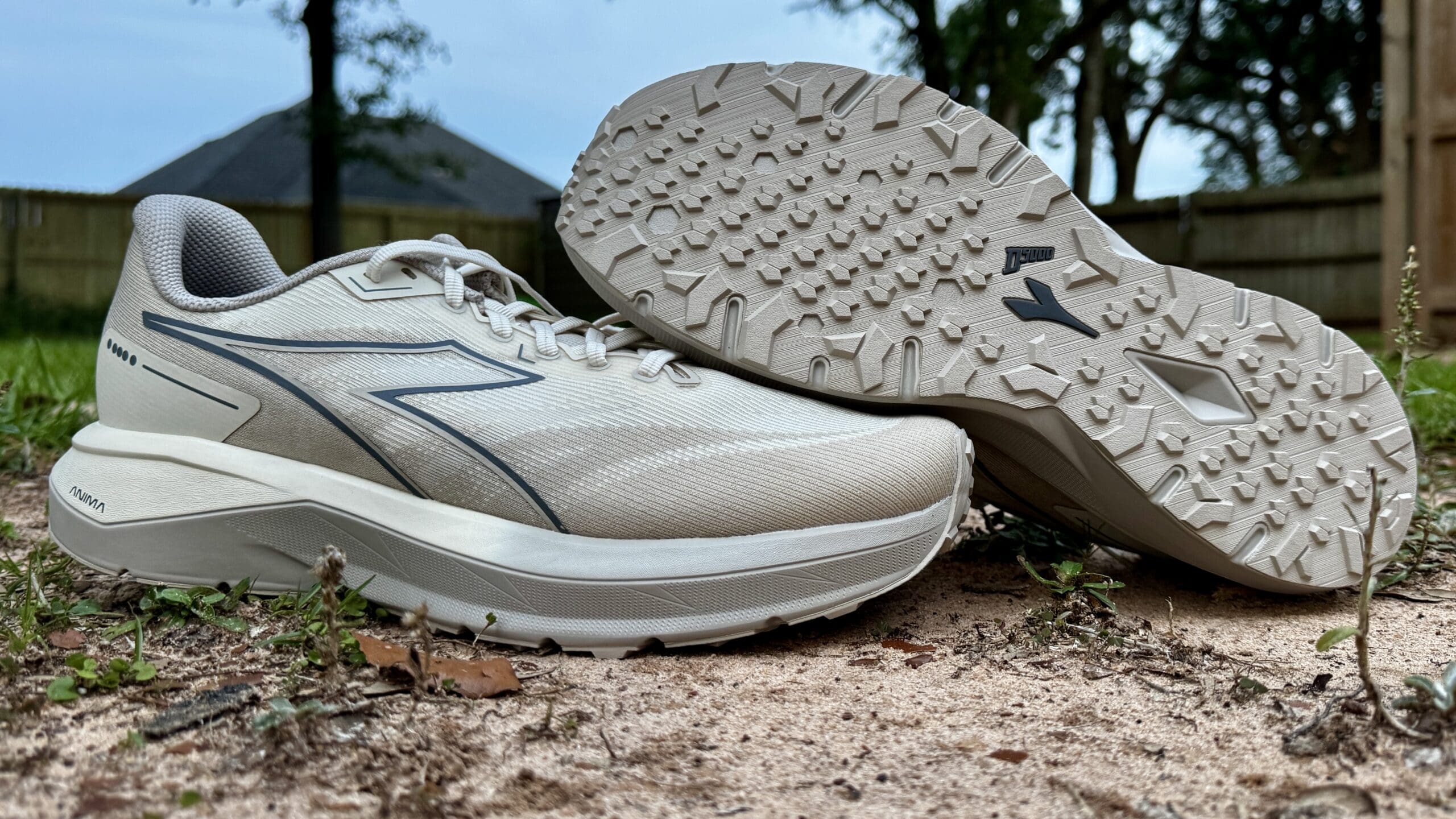
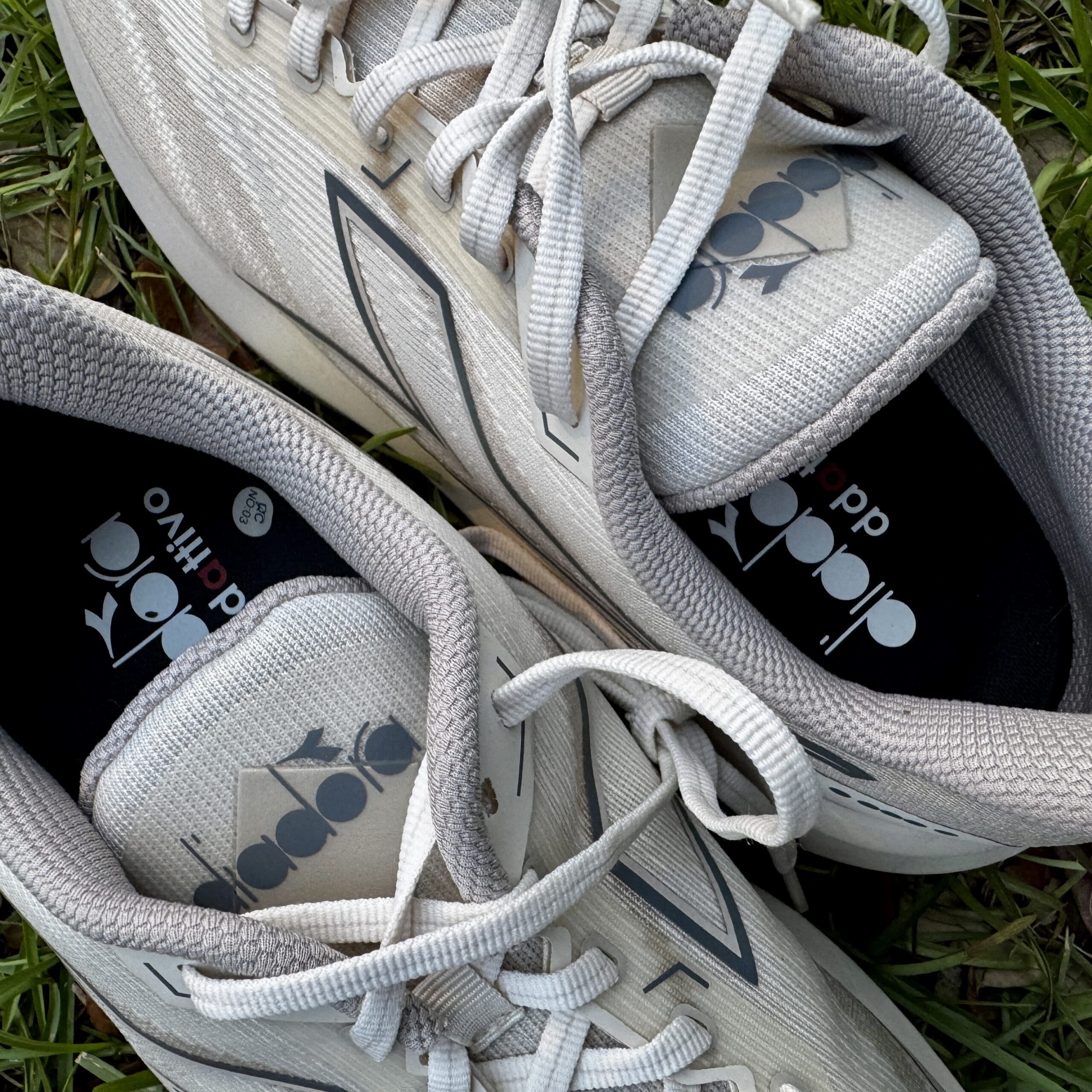
Diadora’s latest offering in that space is the Nucleo 2 GR. Built from the platform of the Nucleo 2, the GR makes changes throughout the shoe to create something that can take you from the pavement outside your door to the trails without needing to make a shoe change along the way. But does it actually handle both surfaces well, or does trying to do two things leave it stuck somewhere in the middle? Let’s find out.

Neutral fit – Designed for runners with a natural stride and minimal foot roll.
Stability fit – Adds support to control mild inward rolling (overpronation).
Motion control fit – Maximum support for significant overpronation and flat feet.
Wide/Narrow fit – Adjusted width to better match foot shape for comfort and lock-in.

Daily trainer – Versatile shoe for everyday runs and general mileage.
Speed/tempo shoe – Lightweight and responsive for faster workouts and intervals.
Racing shoe – Minimal and performance-focused for race day efficiency.
Max cushion – Built for comfort and impact absorption on longer or easier runs.
Minimalist – Low-profile design that encourages a more natural, barefoot-like stride.

Low cushion – Firm and close-to-ground for better road feel and responsiveness.
Moderate cushion – Balanced mix of comfort and responsiveness for most runs.
High cushion – Soft and protective to reduce impact, especially over long distances.
Responsive cushion – Engineered foam that returns energy with each step.
Plush cushion – Extra soft feel focused on comfort over responsiveness.

Road – Smooth outsole optimized for pavement and hard surfaces.
Trail – Aggressive tread and protection for uneven, off-road terrain.
Track – Lightweight with spikes or grip for running on a track.
Hybrid – Versatile outsole that handles both road and light trail conditions.
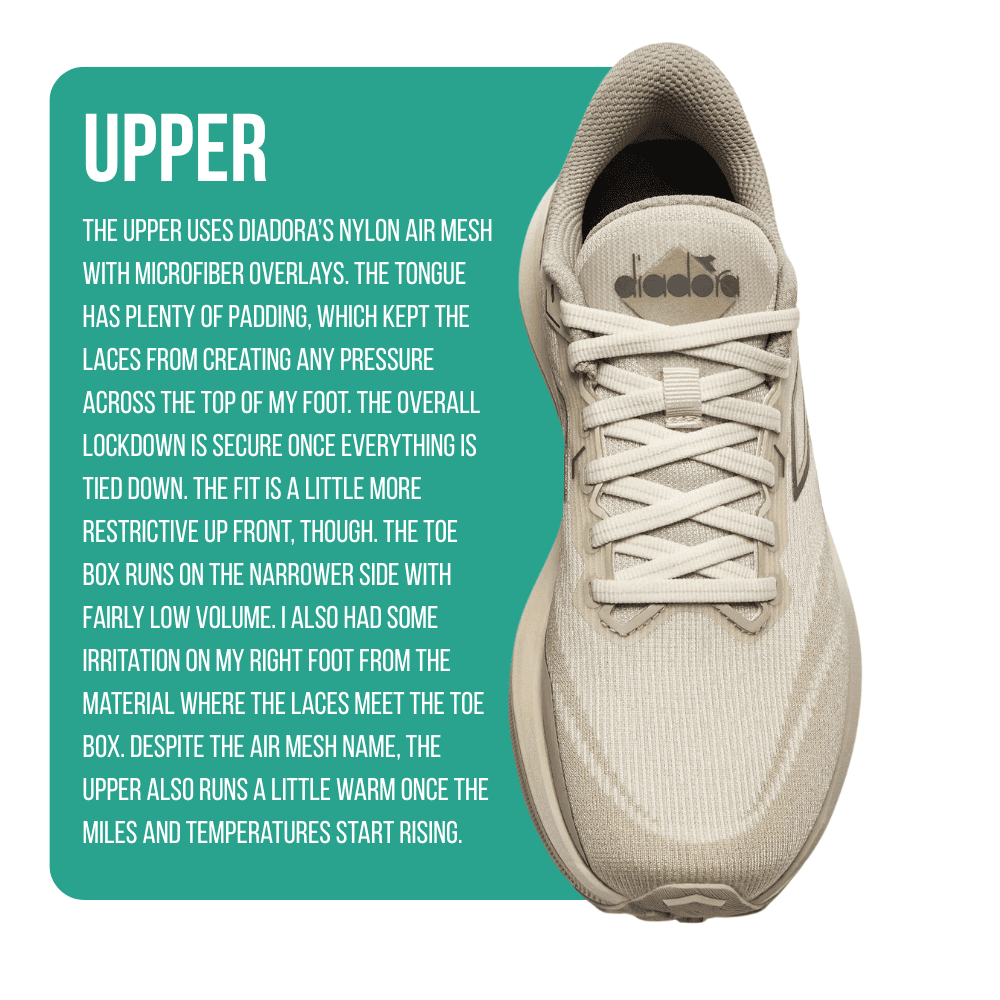
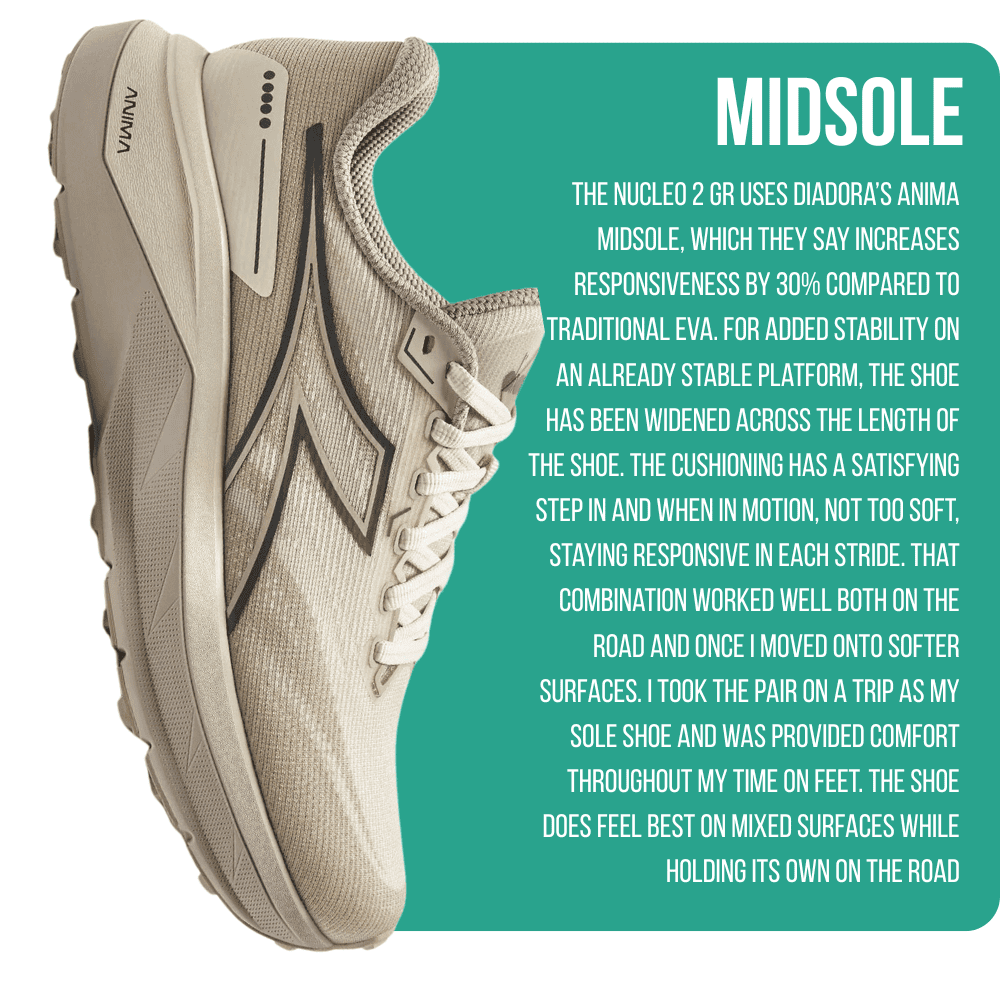
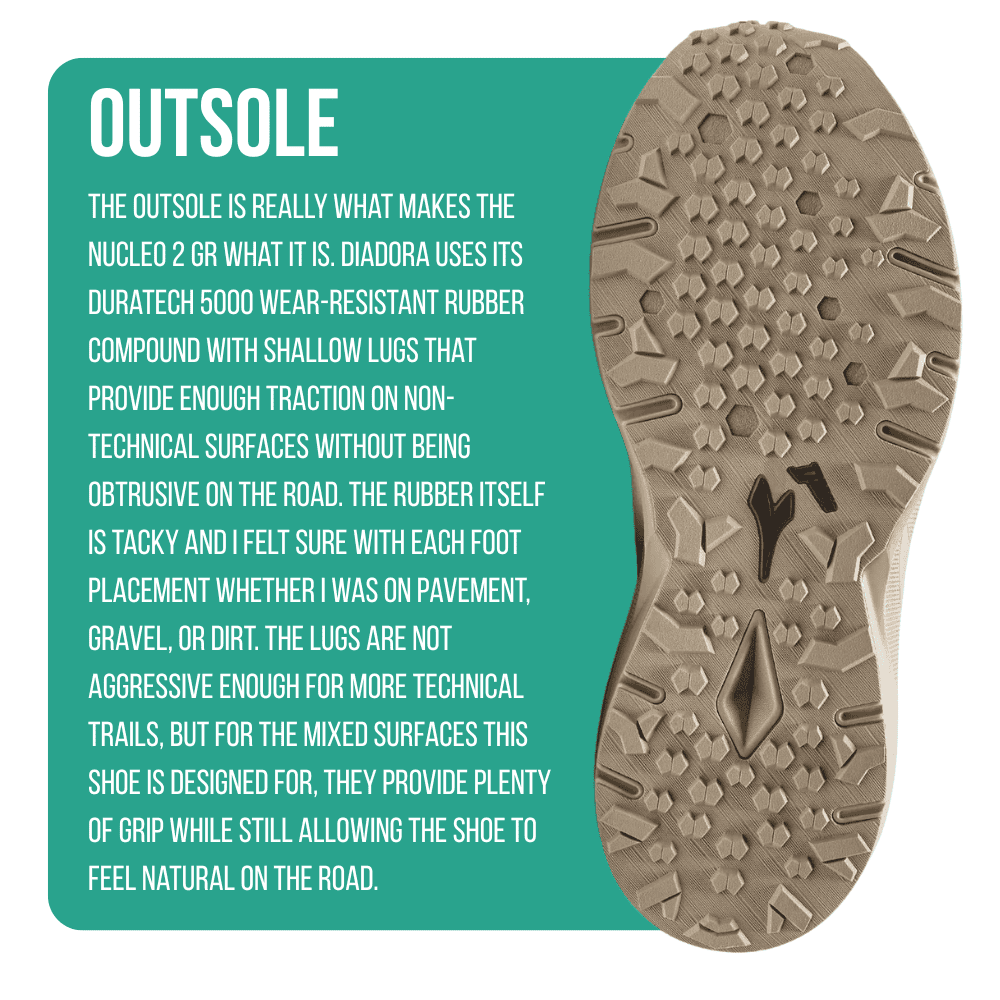
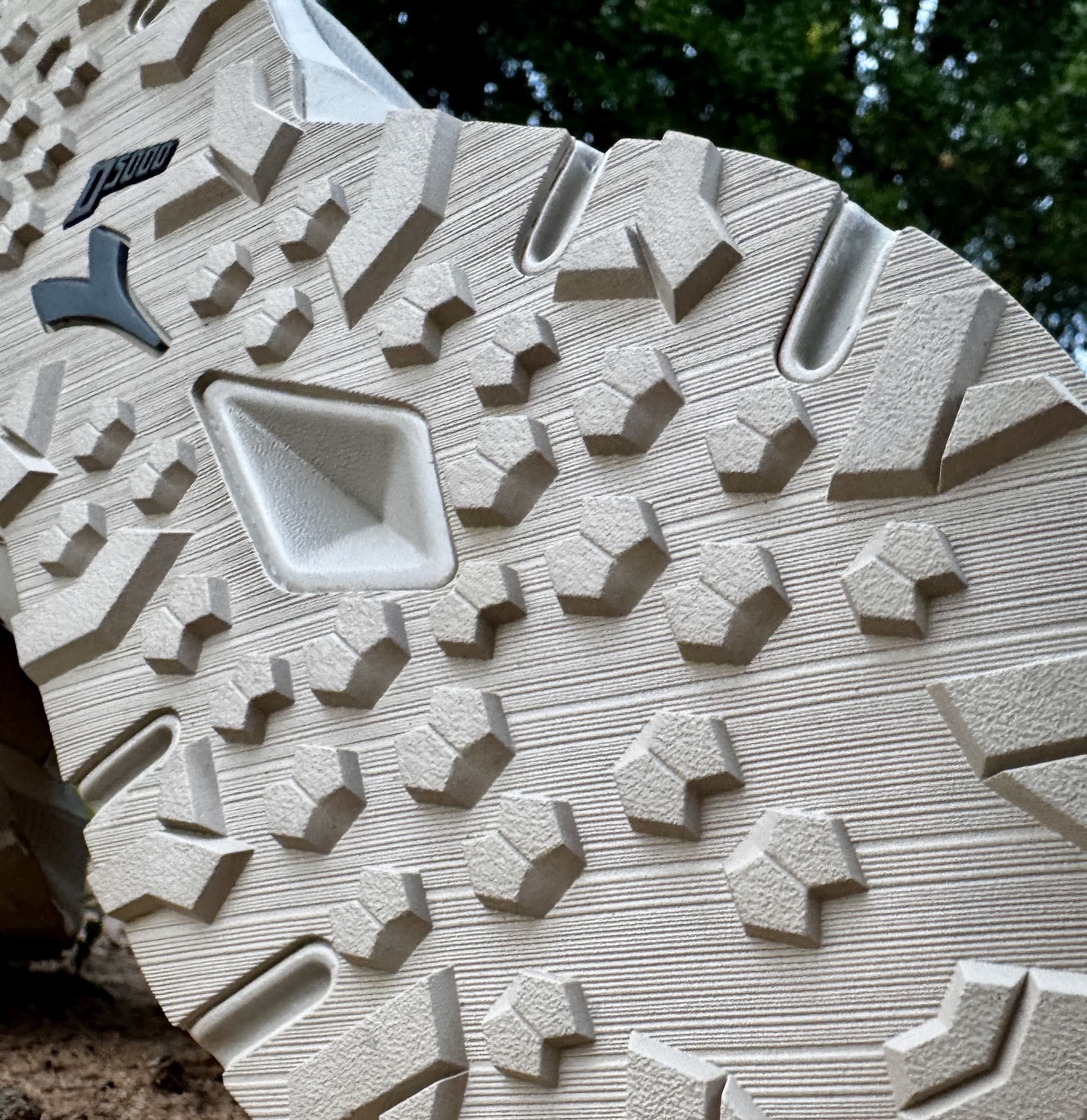
If you spend a good amount of time on light trails but want a shoe that can still handle the road, the Nucleo 2 GR is worth a look. The shallow lugs and midsole combo works well off-road while handling pavement when called for. The stable ride also makes it a good option for easy miles and longer time on feet. Their quality build and styling make it an option for everyday wear. If you live somewhere where the warmer upper is not an issue and your runs bounce between road and light trail, this one makes sense.
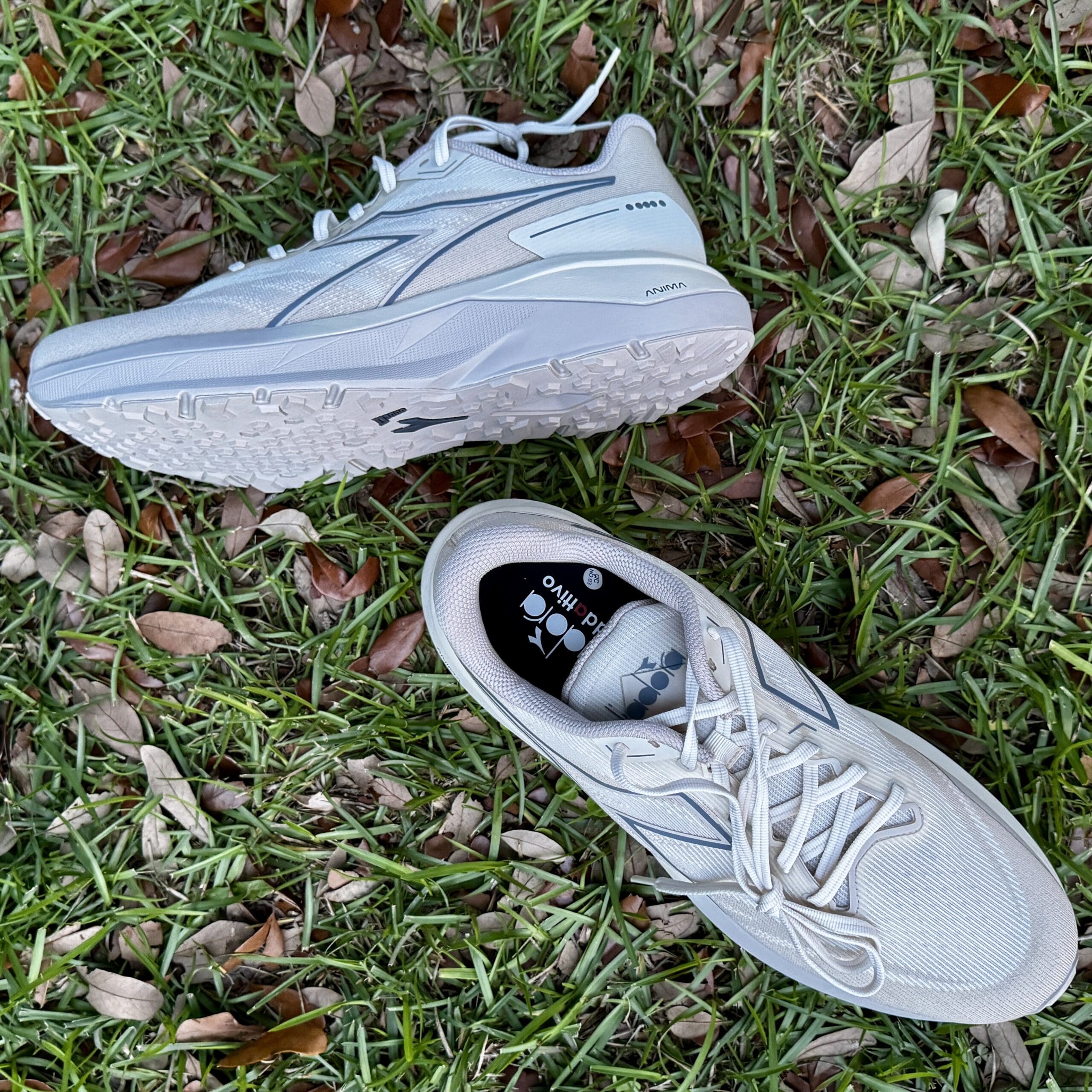
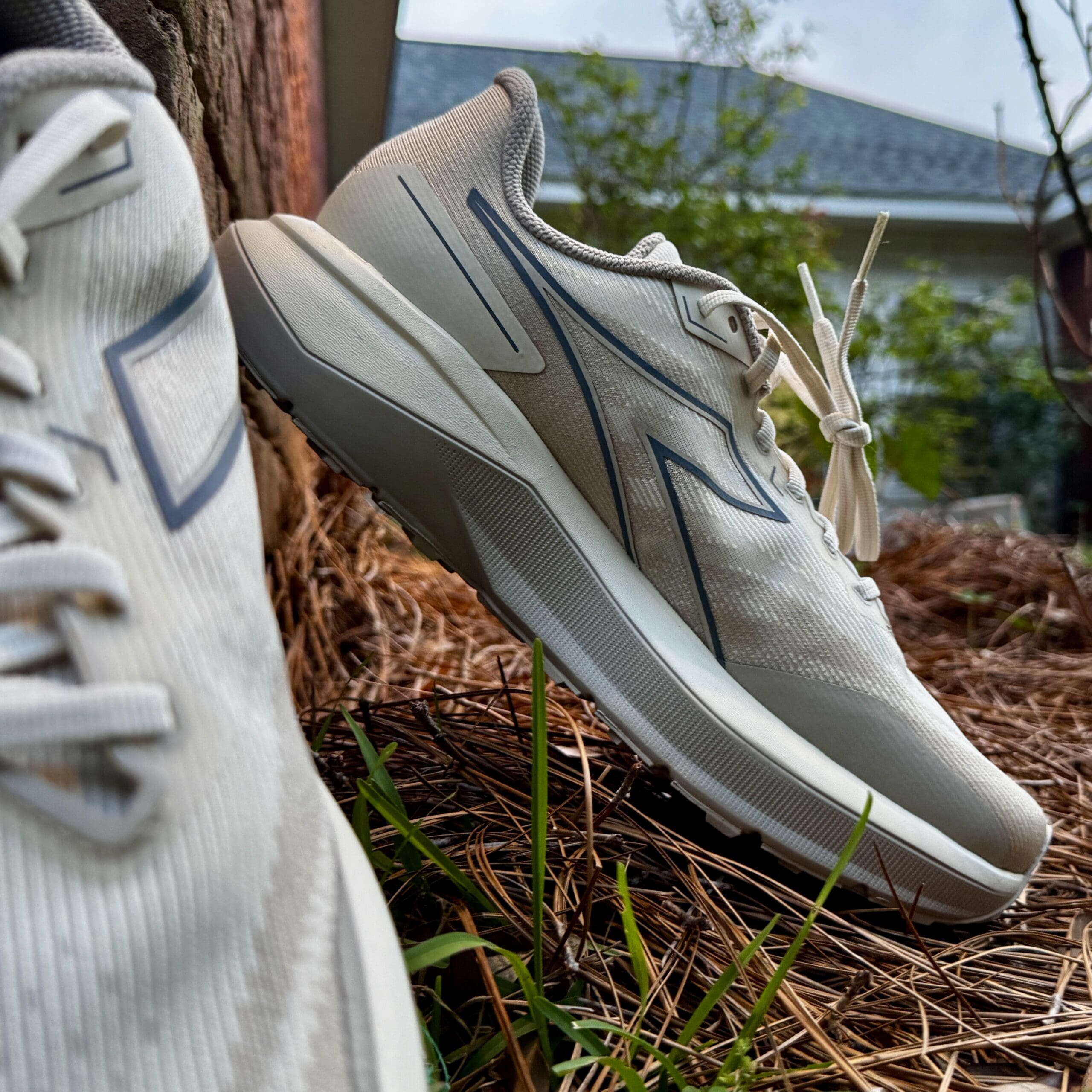
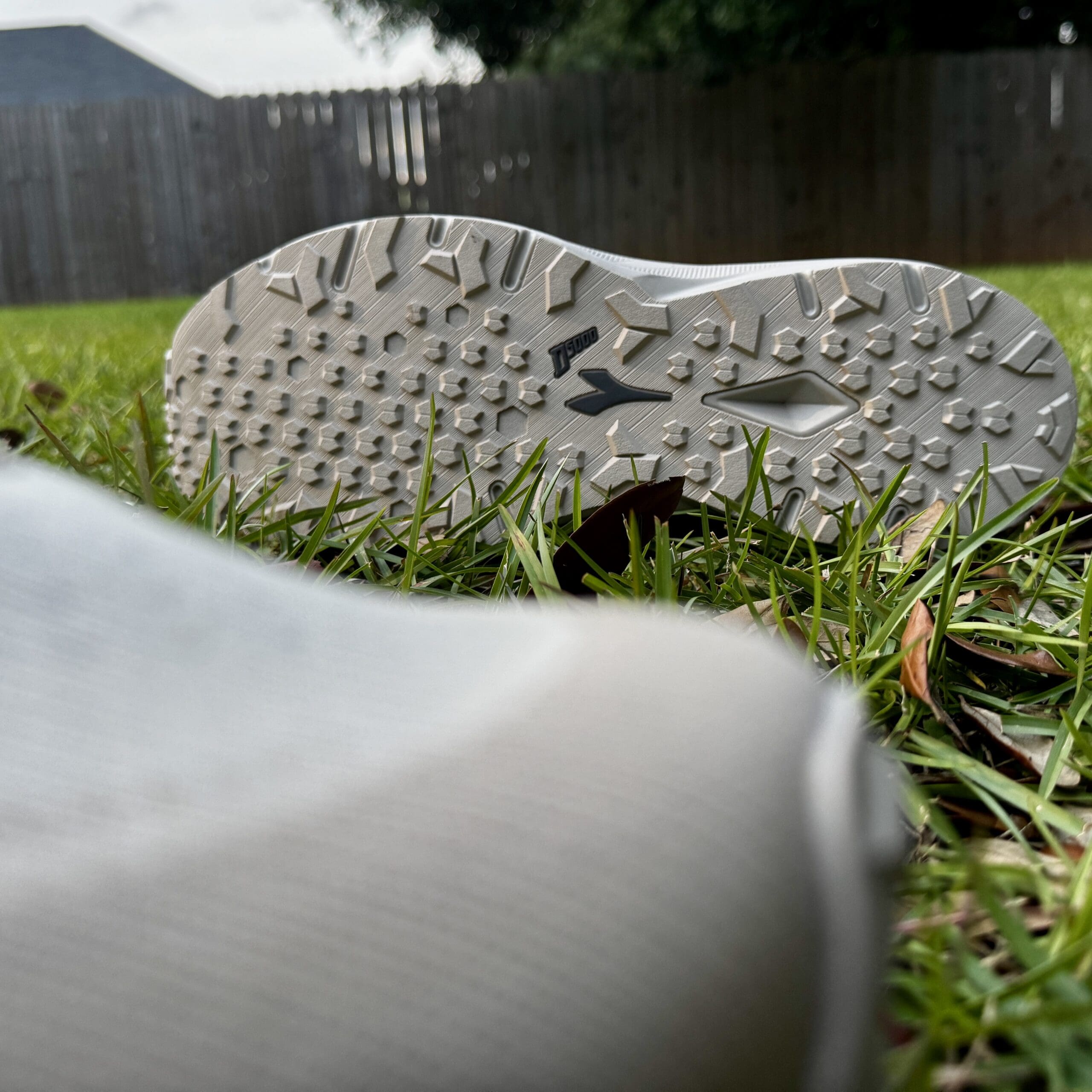
The Nucleo 2 GR does what a road-to-trail shoe should do. It moves between surfaces without making either one feel like a compromise. I still think it is at its best when a run includes a little bit of everything, but I never felt like I was wearing too much shoe on the road or not enough once I moved onto mixed surfaces. Much like Ellis pulling the Switch out of the dock and continuing where he left off, the Nucleo 2 GR lets you change surfaces without shifting gears. It may not be the shoe I would grab for a technical trail or a long road run, but when the route has a little bit of both, it fits right in.
Diadora provided the shoes for review free of charge, but all opinions are my own. They had no input or review of this write-up before it was published.